Most people view singing as an activity of the mouth and throat. However, if you’ve ever felt a “scratchy” sensation after a long session or felt your voice thinning out on high notes, you are likely singing from the “surface.”
In ancient Indian vocal traditions and modern operatic techniques alike, the secret to a resonant, tireless, and soul-stirring voice lies much deeper: the Nabhi (the navel). Learning to sing from the navel or the diaphragm transforms singing from a physical exercise into a meditative experience.
What is the Meditative Voice?
The meditative voice is a state of vocalization where the sound is not “pushed” but “allowed.” It is characterized by a deep sense of grounding and presence. Instead of focusing on “hitting” a note, the singer focuses on the vibration of the sound within their own body.A meditative voice is a slow, calm, and gently paced vocal style used to guide listeners into a state of relaxation, mindfulness, and peace. Often featuring a soft, soothing, or low tone, this voice is used to direct attention to breathing, visualization, or body awareness to relieve stress and improve focus.
- Mind-Body Connection: You become a vessel for the sound rather than the manufacturer of it.
- Healing Resonance: Because the sound vibrates through the chest and abdomen, it has a calming effect on the nervous system.
- Effortless Power: It allows for maximum volume and sustain with minimum physical strain.
1. The Vagus Nerve: The Science of “Calm” Singing
Singing from the navel isn’t just a musical technique; it’s a biological “hack.” The diaphragm is pierced by the Vagus Nerve, which is the main component of the parasympathetic nervous system (the “rest and digest” system).
- Explanation: When you engage in deep diaphragmatic breathing, you physically stimulate the Vagus Nerve. This sends a signal to your brain to lower your heart rate and reduce cortisol (stress). This is why singing from the navel feels “meditative”—you are literally calming your nervous system with every note.
2. The Three Chambers of Resonance
To help readers understand why the throat is the wrong “speaker,” explain the three main resonance chambers: Belly (Power), Chest (Heart), and Head (Spirit).
- Explanation: Imagine your body as a three-story building.
- The Basement (Navel): The furnace that provides the raw energy.
- The Main Floor (Chest): Where the sound gains its warmth and emotional “soul.”
- The Attic (Head): Where the sound becomes bright, clear, and ethereal.
- If you sing only from the “stairwell” (the throat), you lose the beauty of all three floors.
3. Nabhi Sada: The Spiritual Connection
In Dhrupad and other ancient vocal traditions, the navel is considered the seat of Prana (life force).
- Explanation: Introduce the concept of Nabhi Sada. This teaching suggests that sound should originate from the Manipuraka Chakra (the solar plexus). When sound starts here, it isn’t just air; it is “Charged Sound.” It carries the singer’s intention and life force, making the performance feel magnetic and “heavy” to the audience.
4. Common “Energy Leaks” to Avoid
Help your readers troubleshoot their practice by identifying where they are losing their “navel power.”
- Explanation:
- The Chin Jut: When singing high notes, many people reach forward with their chin. This “pinches” the throat and cuts off the navel connection.
- The Locked Knee: Standing with stiff legs blocks the flow of energy from the ground up to the navel.
- The Raised Shoulder: This indicates “shallow” breathing. If your shoulders move up, your navel has stopped working.
5. Nutrition for the Meditative Voice
What you put in your body affects how easily your diaphragm can move.
- Explanation: * Avoid “Belly Bloat”: Heavy meals before singing prevent the diaphragm from descending fully. Suggest singing on a “light” stomach.
- Hydration: The vocal cords need moisture, but the diaphragm needs “elasticity.” Drinking warm water helps keep the core muscles relaxed and responsive.
Key Aspects of a Meditative Voice:
- Tone & Pacing: It is intentionally slow, grounded, and gentle, often described as soothing or calming.
- Purpose: It helps create a secure, immersive experience, allowing listeners to feel safe and relaxed while engaging in mindfulness or meditation apps.
- Application: It is frequently found in guided meditations, sleep content, and wellness apps, aiming to reduce anxiety and cultivate inner serenity.
- Vocal Qualities: It is designed to be calming, nurturing, and non-intrusive.
What is the Navel Voice (Diaphragm Voice)?
Biologically, your vocal cords are in your throat, but the “engine” that powers them should be your diaphragm a dome-shaped muscle located at the base of the rib cage.
In Yogic traditions, this is called Nabhi Sada, or the sound from the navel. When you sing from the throat, you rely on small, delicate muscles that tire easily. When you sing from the navel, you use the strongest muscles in your core to provide a steady, pressurized stream of air.
While the term “singing from the diaphragm” is commonly used, it is technically a misnomer, as the diaphragm is an involuntary inhalation muscle. In classical singing, it refers to the controlled engagement of the abdominal muscles, lower ribs, and back muscles to manage the slow rise of the diaphragm during exhalation.
The Difference:
- Throat Singing: Sounds thin, tight, and often goes out of tune when the singer gets tired.
- Navel Singing: Sounds rich, warm, and carries a “weight” that can be felt by the listener.
Process or transition for navel Voice(Diaphragm voice)
1. Locate Your Diaphragm Muscles
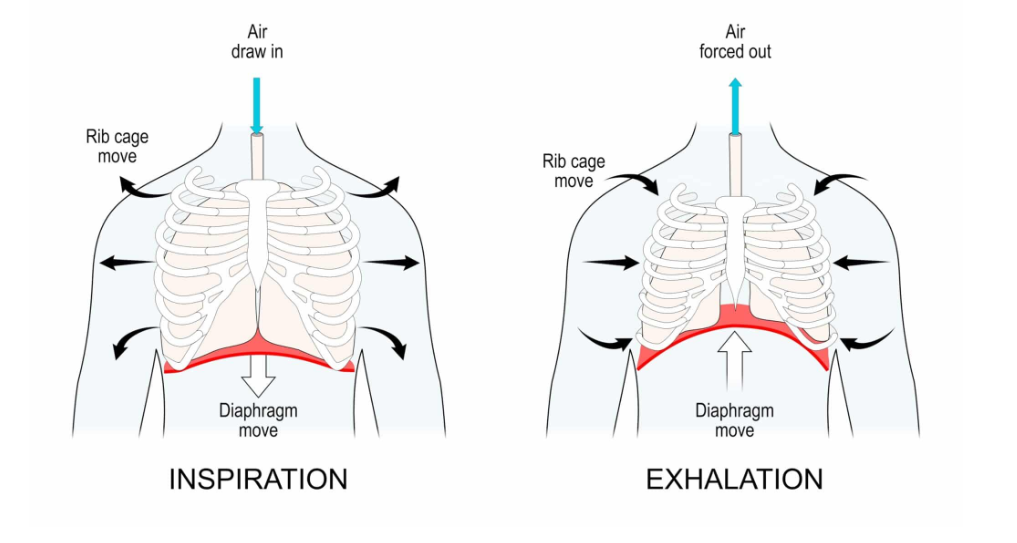
The diaphragm is a sheet of muscle at the base of your ribcage. To feel it, stand straight and find the bottom of your ribs. Alternatively, lay flat on the floor with a large book on your belly. Push the book up using only your stomach muscles while inhaling—those are the muscles you need to engage.
2. Practice Breathing into Your Belly
Breathe in deeply, pushing your stomach out as far as possible while keeping your chest and shoulders perfectly still. As you exhale, pull your stomach back in. This “balloon” sensation ensures the air is originating from your core rather than your upper chest.
3. Build Power with Breathing Exercises

Take a deep “navel breath” and exhale while counting out loud as high as you can. Keep the count slow and even. This builds the endurance needed to hold long notes without reverting to throat tension.
5. Incorporate Breathing into Daily Routine
You don’t need a microphone to practice. Perform these belly-breathing exercises while driving, watching TV, or walking. Consistency builds the muscle memory required for it to become your “default” singing mode.
6. Master the Lip Trill
Blowing air through closed lips (like making a “brrr” sound) while singing a scale ensures your vocal cords remain relaxed. If you stop using your diaphragm, the trill will stop immediately because it requires a steady stream of air from the navel.
7. Warm Up with Full Body Movement

Combine your breath with movement. As you inhale deeply into your navel, raise your arms until your hands touch. Lower them slowly as you exhale. This aligns your physical frame with your breath.
8. Maintain Perfect Posture

Slouching compresses your ribcage and prevents the diaphragm from expanding downward. Stand against a wall so your head, shoulders, and bottom touch it. This “open” posture creates a clear “chimney” for the sound to travel from your navel to your mouth.
9. Sing with an “Open Throat”
While the power comes from the navel, the throat must stay open to let the sound through. Practice “yawning” to feel the space in the back of your throat. Imagine a large marshmallow sitting in your throat, keeping it stretched and relaxed while you sing.
10. Connect Head and Chest Voices
Learn to transition between your low (chest) and high (head) notes without “breaking” the sound. Support both with the same navel pressure. Practice singing intervals (jumping from low to high notes) while focusing entirely on the steady contraction of your abdominal muscles.

FAQs
How do I know if I’m still singing from my throat?
If your throat feels “scratchy,” tight, or sore after singing, you are likely using those muscles too much. Another test: plug your nose. If the sound changes significantly, you are likely singing from your throat/nose rather than your core.
Will this make my voice louder?
Yes. Using the diaphragm provides a more powerful and consistent air supply, which naturally increases volume without the “shouting” strain associated with throat singing.
Can I do this while sitting?
Yes, but it is harder. Ensure you are sitting on the edge of your chair with a straight spine so your abdominal area isn’t compressed.
Conclusion
Transitioning to the “Meditative Voice” or “Navel Voice” is about moving the effort away from the delicate muscles of the neck to the powerhouse of the core. By following these 10 steps, you protect your vocal health and find a resonance that is deeper, more controlled, and more soulful.