What is Sargam Geet?
Sargam refers to singing the notes, mostly commonly used in Indian music, instead of the words of a composition, with use of various ornamentations such as meend, gamak, kan and khatka, as part of a khyal performance. This is generally done in medium-tempo as a bridge between the alap and taan portions.Sargam doesnt needs the taal to blend with it.
Sargam geet is a musical form in Indian classical music that uses the sargam notes instead of lyrics to compose a song. It’s a way to learn and practice the melodic movement (chalan) of a particular raga (melody). Sargam geet also helps with understanding the grammar of ragas and the movement of notes within them.When the sargams of Different ragas blends in taal than it gives rise to the Sargam Geet. Sargam Geet usually builds up with the raag nature and used vadi and sambadi notes. Sargam geet also can be improvised. the basic taals such as Tintaal, Jhaptaal, Dadra, Keherwa uses the sargam geet. the sargam geet also later produces the Bandishes in Different Raaga.
Sargam geet, suravartana, suravarta or swarmaalikaa are different names for the same musical form belonging to the Hindustani vocal music tradition. As the names suggest, the form focuses on sargam . Set to specific raags or taals, compositions adhering to this form delineate the features of the raag, thus making the singer aware of the characteristic chalan or movement of melodic phrases and notes in that raag.
Given this quality, such compositions work as excellent tools for teaching the grammar of raags to children and beginners, without making it a dry and prosaic process. In other words, not only is the end result a musical one, the transmission process is equally musical. At times, such compositions have only sargam combinations, but there are also those that include song-text.
Interestingly, while sargam geet formed a part of traditional musical training, it did not find a place in the concert repertoire of professionals. In fact, the very use of sargam, even for melodic elaboration, was looked down upon by some gharanas of vocal music, as it was considered a teaching device and a tool for riyaaz or practice. There is, of course, the other extreme where vocalists have used sargam throughout their performance, irrespective of whether they are presenting khayal, thumri, ghazal or any other form. These vocalists see the use of sargam as yet another important element that allows them to explore the melodic contours of the raag beyond the restrictions they feel are placed by the song-text.
But returning to our discussion on the sargam geet form, it is evident that it has found favour as part of the concert repertoire of music school students. There is evidence from the late 19th century to this effect. For instance, the Parsi Gayan Uttejak Mandali, one of colonial Bombay’s first formal music clubs established in 1870, frequently featured sargam geet in their periodic concerts. This pattern continues even today.
Sargam geet uses
Sargam is used extensively in performing classical vocal music, both in the slow part or Aalap as in the faster part in the form of tanas (quick bursts of notes). Brihaddeshi, an ancient text credited to Matanga Muni is one of the first treaties mentioning the Sargam notes and the Raga system. The basic uses of sargam geet a
- Teaching Raga Grammar:Sargam geet help students understand the specific melodic characteristics and phrasing of a particular raga (a melodic framework in Indian classical music).
- Learning Chalan (Melodic Movement):They highlight the distinctive “chalan” or movement of melodic phrases within a raga, allowing students to learn how to navigate and explore the notes.
- Practice and Sight-Singing:Sargam geet are used for practicing sight-singing and developing aural skills, similar to how solfege is used in Western music.
- Ornamentation:In Light Music recitals, Sargams are often used to enhance the aesthetic beauty of the lyrically composed part.
- Bhajan:In devotional music (bhajan), Sargams are employed to create a sense of divine beauty and peace, often in a more simple and unembellished style.
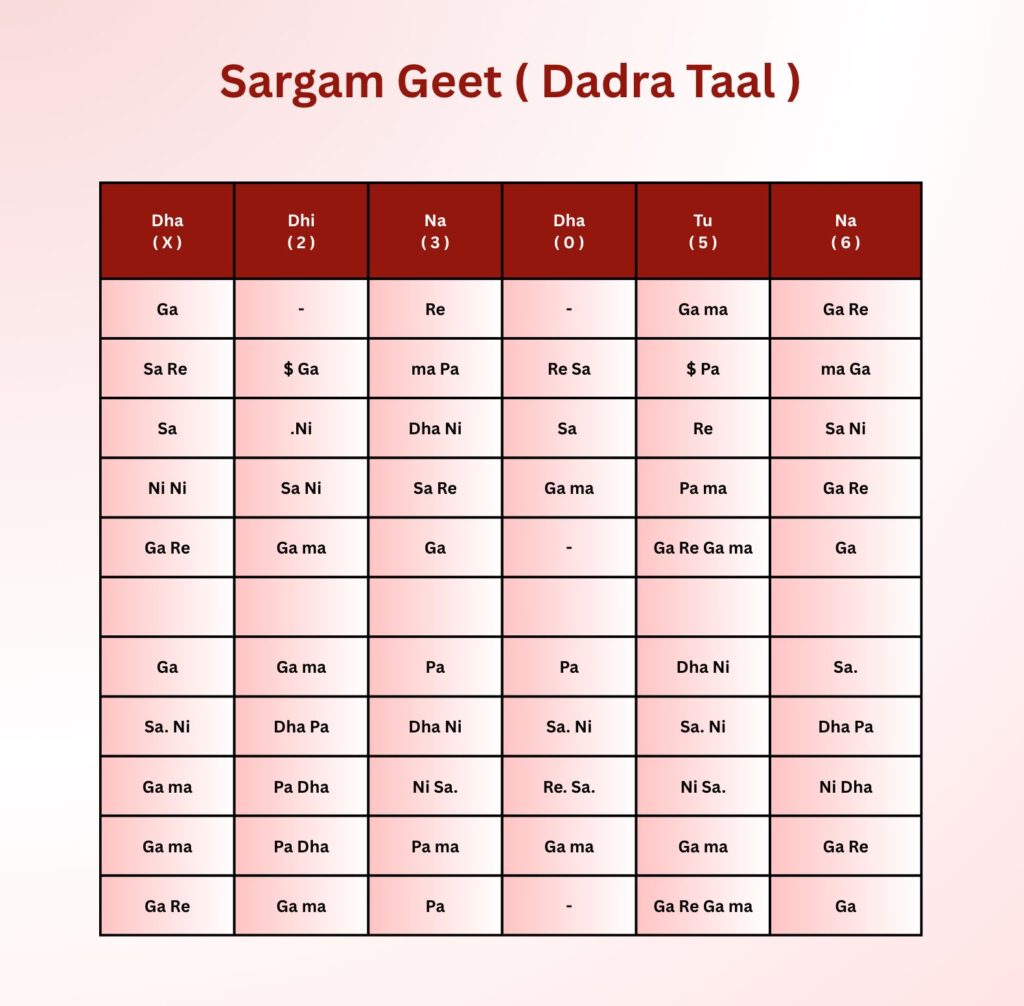
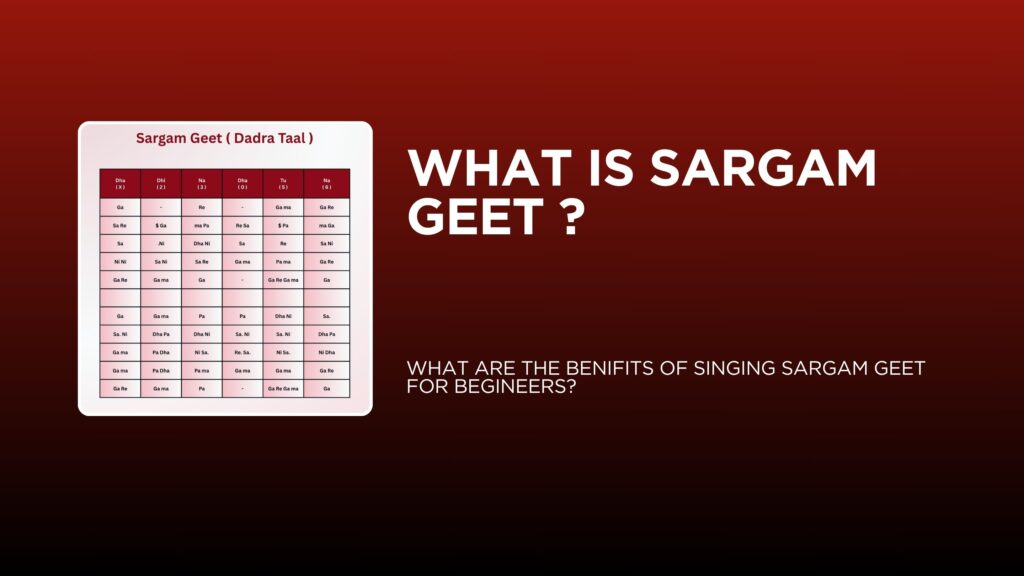
This shows the sargam geet that is used in the Dadra taal. This sargam Geet is based on Thaat Bilawal. This basically shows the ornamentation of the suddha swars that is exhibited by the sargam geet . The main idea of the sargam geet brings in the taal recognization. It is very much used in taans as the gayaki style also. Sargam geet is also the foundation for the raag as well as the taals.It also clearly shows the raga nature to the listener.
Listen the Sargam Geet.
Some other sargam geet are:
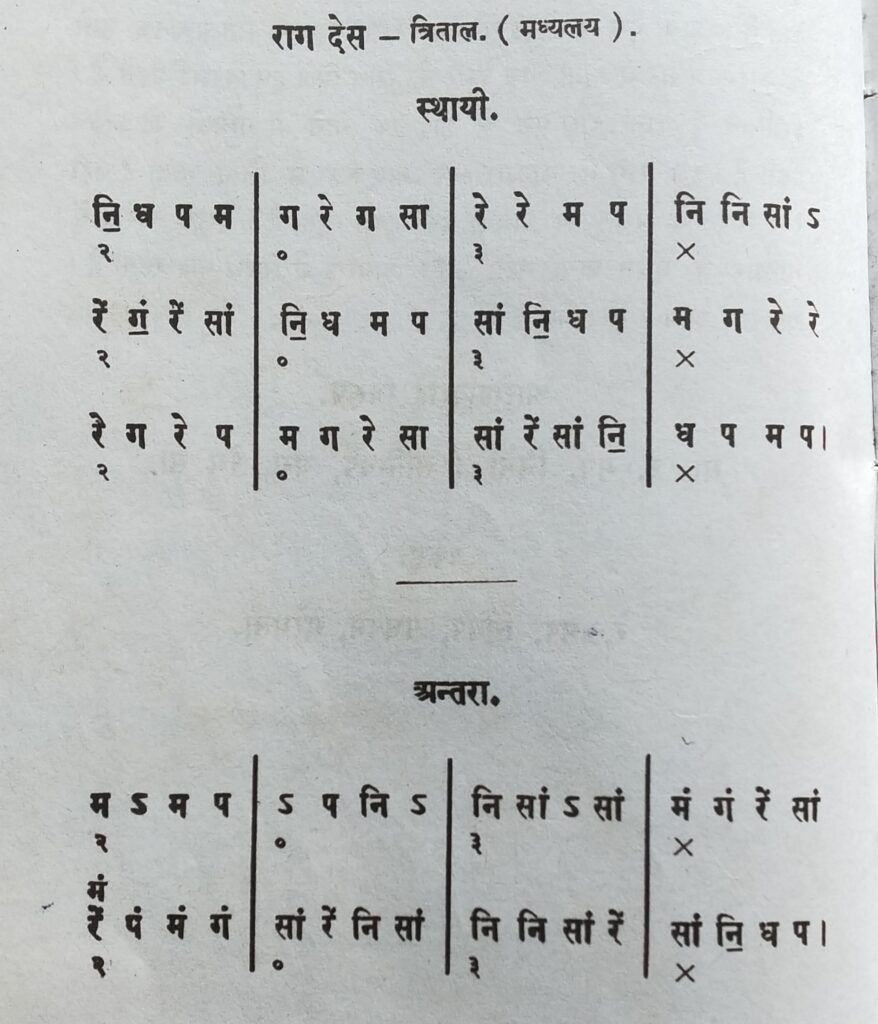
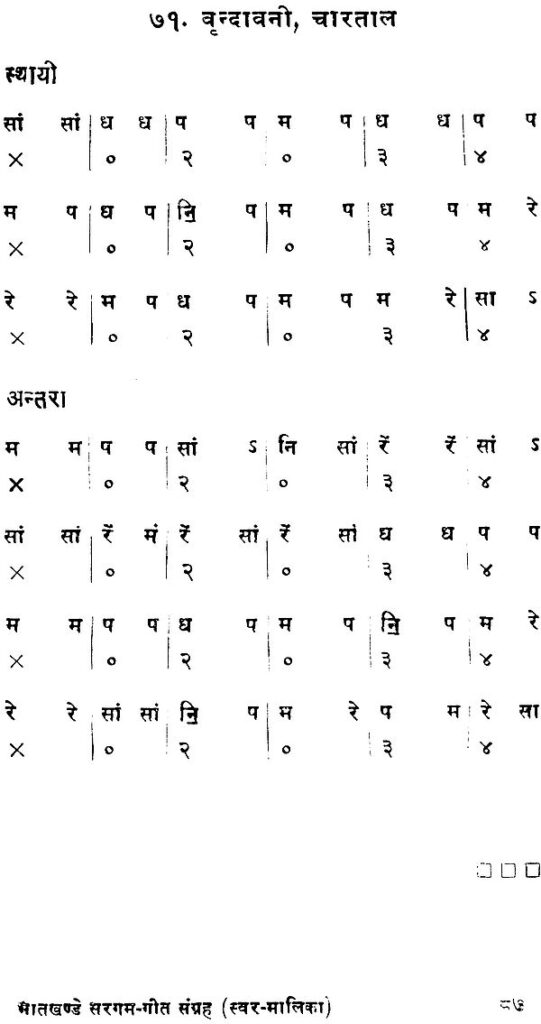
Advantages of SARGAM GEET: A FOUNDATION TO RAAG MUSIC
Sargam geet offers several advantages for learning and practicing Indian classical music, particularly in the Hindustani tradition. It helps develop pitch accuracy, musical expression, and an understanding of ragas (melodic modes) and taals (rhythms). Sargam exercises, often used as a foundational technique, focus on the notes themselves, enabling learners to develop a strong sense of musicality and familiarity with the structure of music.
Some Advantages of using the sargam Geets are:
- Improved Pitch Accuracy:Sargam exercises, or solfege, significantly enhance pitch accuracy, a crucial skill for singing or playing any musical instrument. The pitch accuracy improved directly impacts to your gayaki as well as the raag presentation(raagdari). this enhancement in the pitch using sargam geet also ornaments the raag.
- Enhanced Musical Expression:Practicing sargam helps develop a strong sense of musical expression and intonation.
- Understanding Ragas and Taals:Sargam geet compositions, which are set to specific ragas and taals, help students understand the characteristics of these musical elements.
- Foundation for Singing and Playing:The exercises help build a strong foundation for more complex musical forms and techniques.
- Developing Musicality:By focusing on the notes themselves, sargam exercises cultivate a strong sense of musicality, allowing learners to explore and create melodies with greater understanding.
- Versatility:Sargam exercises can be adapted to suit different instruments and vocal styles.
- Mnemonic Device:The sequence of notes in “sa-re-ga-ma-pa-dha-ni-sa” (sargam) serves as a mnemonic device to remember the notes in a melody
conclusion
Practicing “sargam geet,” ] in Hindustani classical music, is beneficial for developing pitch accuracy, vocal flexibility, and musical expression. It helps musicians understand the “chalan” or movement of melodic phrases within a raga, a fundamental aspect of Indian classical music. Regular practice of sargam geet can also enhance a vocalist’s ability to interpret and perform complex melodies, leading to a more nuanced and expressive musical experience.