
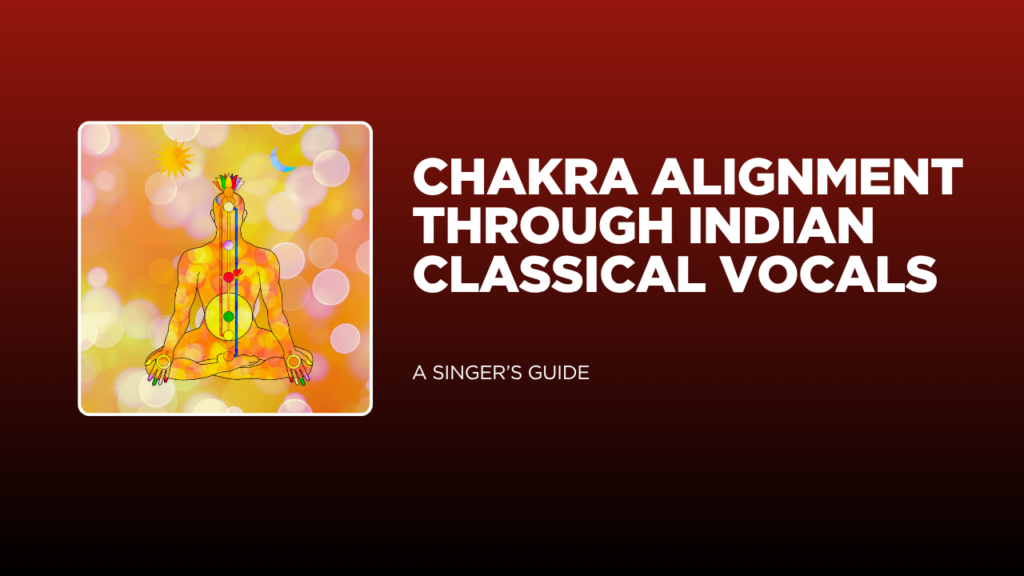
Indian Classical music is one of the oldest continuous musical traditions in the world. It is not merely a form of entertainment but a Sadhana (spiritual discipline) aimed at self-realization. At its core, it is built upon the concept of Nada Brahma ,the belief that the entire universe is created from sound vibrations.
Introduction to Indian Classical Music
Indian Classical music is divided into two main systems based on geography and historical evolution, though both share the same fundamental DNA of Raga (melody) and Tala (rhythm).
The Two Major Systems
- Hindustani Classical (North India): Heavily influenced by Persian and Islamic cultures, this system is known for its improvisational nature and the concept of Gharanas (lineages). It focuses on the emotional depiction of specific times of day or seasons.
- Carnatic Classical (South India): This system has remained more indigenous to its ancient roots. It is characterized by complex mathematical structures, a heavy emphasis on composed kritis (songs), and intricate rhythmic patterns.
Key Genres and Forms
Within these systems, several genres define the vocal landscape:
- Dhrupad: The oldest surviving vocal form, characterized by its meditative, spiritual, and austere nature. It is the most direct application of Nada Yoga.
- Khayal: The most popular modern Hindustani genre, meaning “imagination.” It allows for more fluid ornamentation and emotional flexibility.
- Thumri/Dadra: Semi-classical forms that focus on “Bhava” (expression) and romantic or devotional themes.
- Kriti: The backbone of Carnatic music, focusing on lyrical devotion (Bhakti) and technical precision.
The Science of “Nada Yoga”
This is the “Yoga of Sound.” In Indian Classical Music, sound is classified into two types:
- Ahata Nada: Struck sound (audible sound made by physical vibration).
- Anahata Nada: Unstruck sound (the silent vibration of the universe). Chakra Alignment through music is the process of using Ahata (vocalizing) to reach the peace of Anahata.
The Seven Swaras and Chakra Alignment
The Indian musical scale, Sargam, consists of seven notes: Sa, Re, Ga, Ma, Pa, Dha, Ni. Each note is believed to have originated from the sounds of nature and corresponds to a specific energy vortex (Chakra) in the human body.
I. Muladhara (Root Chakra) | Note: Sa (Shadja)
- Location: The base of the spine.
- Significance: Represents stability, survival, and our connection to the Earth.
- Alignment Detail: The “Sa” is the “Adhara Swara” (the foundation note). When a singer practices Kharaj Bhartana (singing in the lower octave), the vibration begins at the pelvic floor.
- Healing Outcome: Singing a steady, deep Sa eliminates feelings of insecurity and grounds the nervous system.
II. Svadhisthana (Sacral Chakra) | Note: Re (Rishabha)
- Location: Two inches below the navel.
- Significance: The seat of creativity, sensuality, and emotional fluidity.
- Alignment Detail: The note Re is often approached with a “meend” (glide) in Indian Classical Music. This fluid movement of sound mirrors the “Water” element of this chakra.
- Healing Outcome: Balances the reproductive system and unlocks creative blocks.
III. Manipura (Solar Plexus) | Note: Ga (Gandhara)
- Location: The upper abdomen/Navel area.
- Significance: The center of personal power, ego, and digestion.
- Alignment Detail: To sing a powerful Ga, one must use Nabhi-Bal (navel strength). The resonance here is warm and fiery.
- Healing Outcome: Boosts self-confidence and aids in metabolic health.
IV. Anahata (Heart Chakra) | Note: Ma (Madhyama)
- Location: The center of the chest.
- Significance: The bridge between the physical and spiritual realms; the seat of love.
- Alignment Detail: Ma is the “central” note of the scale. Singing it requires an open chest and a relaxed diaphragm, allowing the sound to expand horizontally.
- Healing Outcome: Releases suppressed grief and fosters universal compassion.
V. Vishuddha (Throat Chakra) | Note: Pa (Panchama)
- Location: The throat.
- Significance: The center of communication and self-expression.
- Alignment Detail: Pa is a “Prakrit” (natural/fixed) note. It provides clarity. The vibration is felt directly in the vocal cords and the thyroid region.
- Healing Outcome: Enhances the ability to speak one’s truth and improves thyroid function.
VI. Ajna (Third Eye Chakra) | Note: Dha (Dhaivata)
- Location: Between the eyebrows.
- Significance: Intuition, imagination, and perception.
- Alignment Detail: As the singer moves to Dha, the resonance shifts from the throat to the “Sira” (head). It is a high-frequency vibration that stimulates the pineal gland.
- Healing Outcome: Clears mental fog and heightens intuitive awareness.
VII. Sahasrara (Crown Chakra) | Note: Ni (Nishada)
- Location: The top of the head.
- Significance: Pure consciousness and spiritual connection.
- Alignment Detail: Ni is the note of “longing.” It creates a sharp, upward tension that resolves only when it hits the “High Sa,” representing the soul merging with the Divine.
- Healing Outcome: Relieves headaches and fosters a sense of spiritual oneness.
| Swara (Note) | Full Name | Chakra | Elemental Association | Psychological Benefit |
| Sa | Shadja | Muladhara | Earth | Grounding & Courage |
| Re | Rishabha | Svadhisthana | Water | Creativity & Fluidity |
| Ga | Gandhara | Manipura | Fire | Willpower & Vitality |
| Ma | Madhyama | Anahata | Air | Empathy & Peace |
| Pa | Panchama | Vishuddha | Ether | Communication & Truth |
| Dha | Dhaivata | Ajna | Light | Intuition & Focus |
| Ni | Nishada | Sahasrara | Cosmos | Bliss & Enlightenment |

