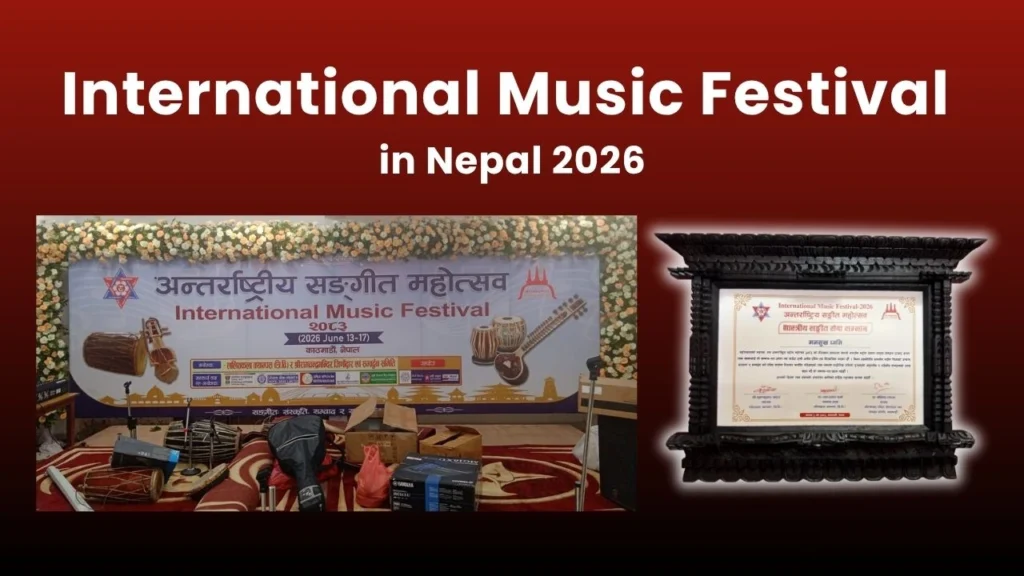
Nepal has always been a meeting place of cultures, traditions, and art. In 2026, the country witnessed a special event that brought together musicians, scholars, teachers, and music lovers from different parts of the world. The International Music Festival 2026 organised by Lalitkala Campus under Tribhuvan University in collaboration with Shree Ram Chandra Mandir became an important step for the future of music in Nepal.
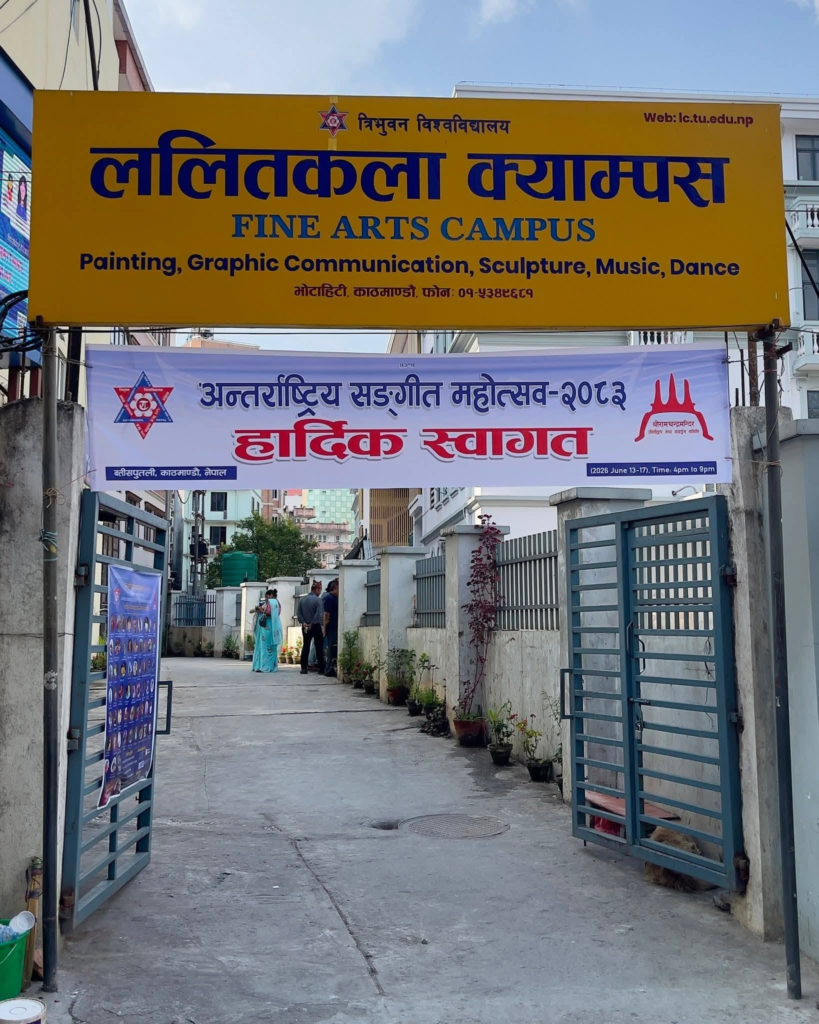
For everyone who believes that music can connect people beyond language and borders, this festival is a celebration of learning, sharing, and preserving traditions while embracing new ideas.
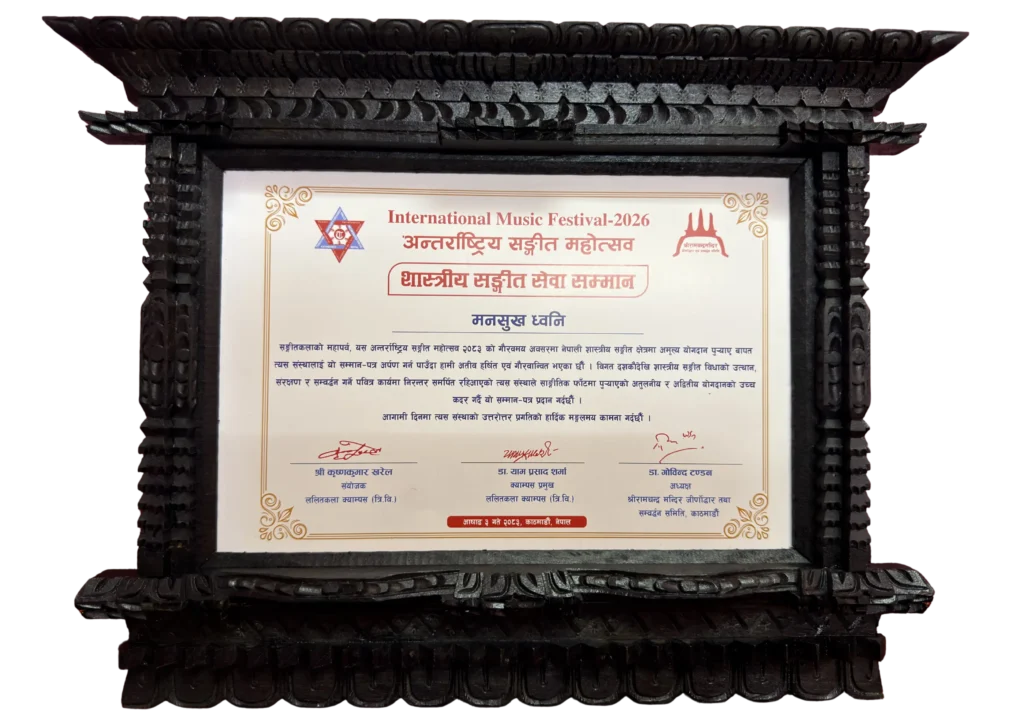
For us at Manasukh Dhvani, this occasion became even more meaningful as we were honoured with recognition from Lalitkala Campus under Tribhuvan University. We accept this recognition with gratitude and humility as encouragement to continue our journey of music education.
What is the International Music Festival 2026?
The International Music Festival 2026 is a five day event that started on June 13. It is jointly organised by Lalitkala Campus and Shree Ram Chandra Mandir with the aim of creating a common platform for musicians and researchers from around the world.
The festival brought together artists and scholars from countries including Nepal, Bangladesh and India.
The event is designed to connect traditional music with modern ideas and global discussions.
Some of the major activities included:
- Research paper presentations
- Musicology workshops
- Panel discussions
- Cultural exchanges
- Evening musical performances
- Conversations about the future of music education
This made the festival one of the most unique music events held in Nepal in recent years.
Why is This Festival Important for Nepal?
The International Music Festival 2026 showed that Nepal can become an important centre for musical and cultural exchange.
The festival discussed topics that matter to musicians and educators today.
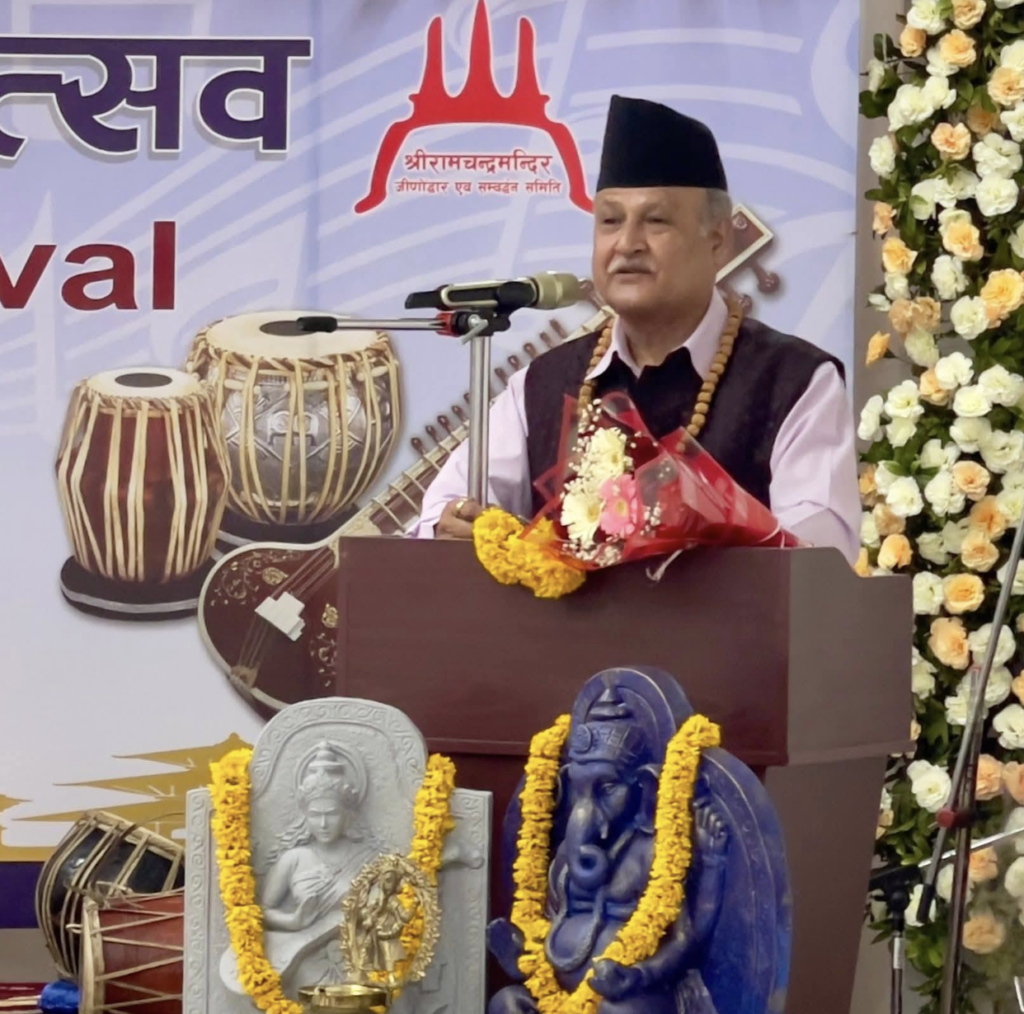
Music and Artificial Intelligence
Experts explored how AI is changing music education and music creation. They discussed both the opportunities and challenges that technology brings to artists and teachers.
Copyright and Intellectual Property Rights
As music becomes more digital, protecting original work is becoming increasingly important. The festival encouraged discussions about copyright awareness in Nepal.
Music and Tourism
Nepal has a rich musical heritage. Traditional music, folk music, and classical traditions can become an important part of cultural tourism and help introduce Nepal’s artistic identity to the world.
Preserving Traditional Music
Traditional instruments and regional music styles were given a platform to reach new audiences while inspiring younger generations to learn and continue these traditions.
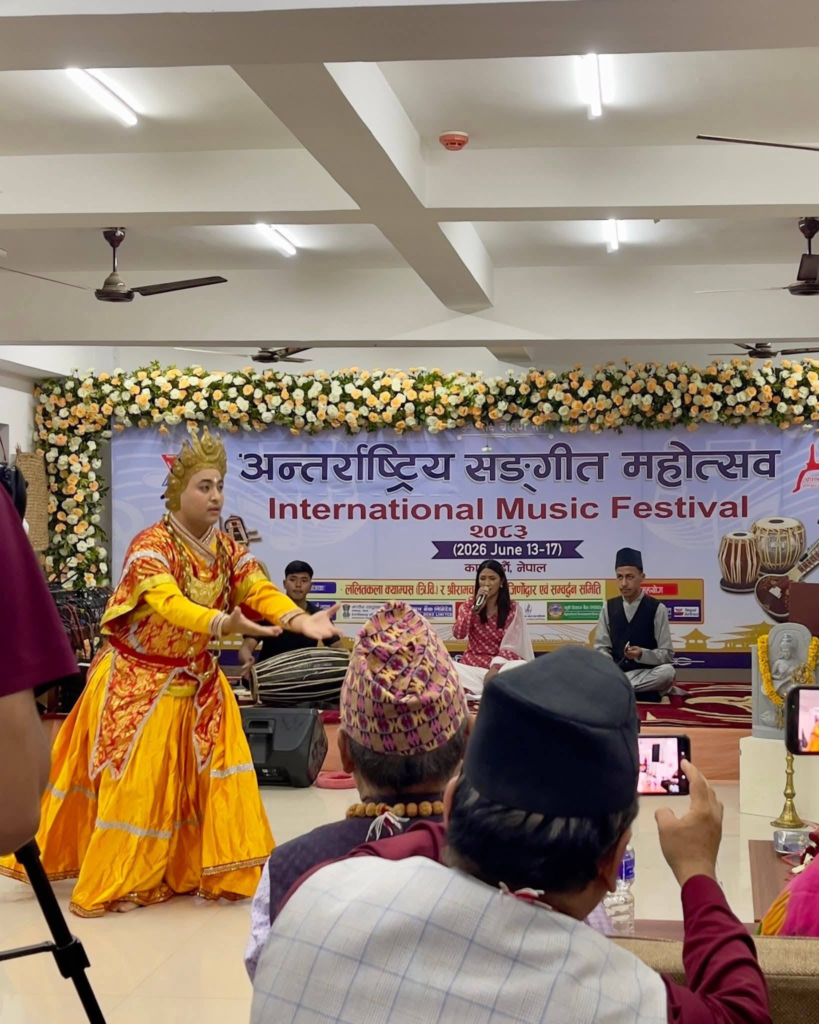
International Artists and Nepali Musicians Shared One Stage
The festival featured performances by respected national and international artists.
The participation of musicians from different countries created an atmosphere of cultural understanding and artistic friendship.
Events like these remind us that while musical styles may differ, the language of music remains universal.
What Does This Mean for Music Students?
Students of music can learn an important lesson from festivals like this.
Music education is not only about mastering techniques or performing on stage. It is also about understanding history, culture, research, technology, and collaboration.
A modern musician benefits from:
- Learning traditional foundations
- Understanding different musical cultures
- Respecting artistic heritage
- Exploring new ideas responsibly
- Connecting with musicians from around the world
The International Music Festival 2026 highlighted the value of lifelong learning in music.
A Humble Recognition for Manasukh Dhvani
Among the many meaningful moments connected with this festival, Manasukh Dhvani was deeply honoured to receive recognition from Lalitkala Campus under Tribhuvan University.
As a music school based in Pulchowk, Lalitpur, with students learning both online and offline from different parts of the world, this recognition holds special value for us.
We see it not as an achievement to celebrate loudly, but as a reminder of our responsibility to continue serving the musical community with sincerity and dedication.
Every student, teacher, supporter, and well wisher who has been part of our journey shares in this moment.
We remain grateful for the encouragement and inspired to continue contributing to the growth of music education in Nepal.
The Growing Future of Music Education in Nepal
The International Music Festival 2026 has shown that Nepal has the potential to become an important destination for music education, research, and cultural exchange.
With institutions, musicians, researchers, and music schools working together, the future looks promising.
Festivals like this help create opportunities for:
- Young musicians
- Music teachers
- Researchers
- Traditional artists
- Instrument makers
- International collaborations
Such efforts strengthen Nepal’s cultural identity while creating new possibilities for future generations.
Final Thoughts
The International Music Festival 2026 is more than a series of performances and seminars. It is a gathering of ideas, traditions, and people who believe in the power of music.
By bringing together artists and scholars from across the world, the festival created valuable conversations about preserving musical heritage while preparing for the future.
At the same time, the recognition received by Manasukh Dhvani from Lalitkala Campus under Tribhuvan University has become a memorable milestone in our journey. We accept it with gratitude and as motivation to continue learning, teaching, and supporting the rich musical traditions that connect us all.
As Nepal continues to grow as a cultural destination, events like the International Music Festival remind us that music is not only an art form. It is a bridge between generations, communities, and nations.